
Effective Strategies for Improving Email Marketing Campaigns
Introduction
Email marketing remains one of the most effective digital marketing strategies for businesses of all sizes. However, to maximize its potential, it is essential to implement effective strategies that improve the performance of your email campaigns. In this article, we will explore various strategies to enhance your email marketing efforts.
Key Strategies for Email Marketing Success
Crafting Captivating Subject Lines
The subject line is the first thing recipients see, making it a critical factor in whether they open your email. Crafting captivating subject lines involves:
- Keeping it short and to the point
- Creating a sense of urgency or curiosity
- Personalizing with the recipient’s name or relevant information
- Avoiding spammy words and phrases
Segmenting Your Email List
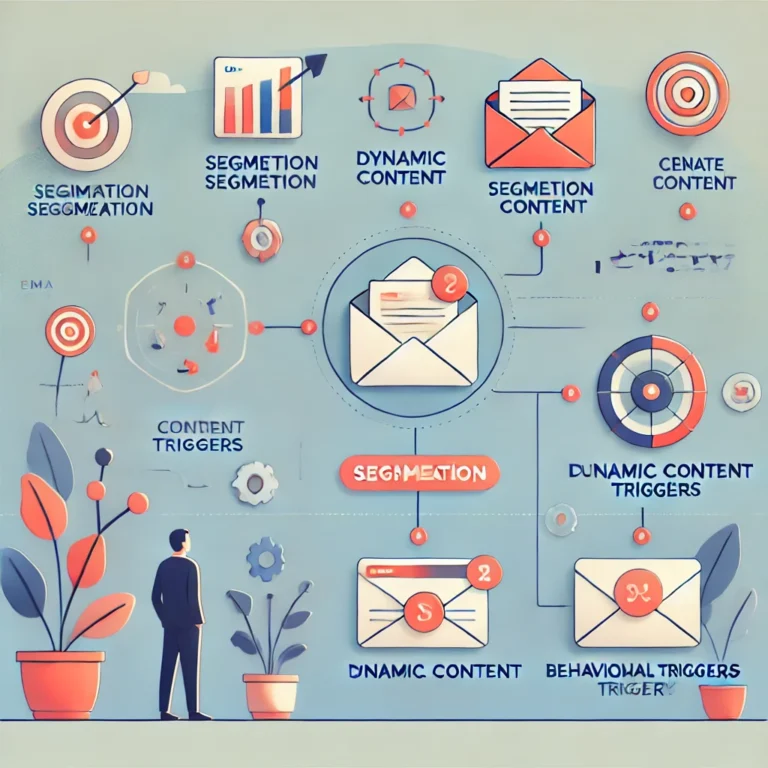
Segmentation involves dividing your email list into smaller groups based on specific criteria, such as demographics, interests, or past behaviors. This allows you to send more targeted and relevant emails, resulting in higher engagement and conversion rates.
Personalizing Email Content
Personalization goes beyond using the recipient’s name. It involves tailoring the email content to match the recipient’s preferences, behavior, and past interactions with your brand. Use dynamic content to deliver personalized messages that resonate with each subscriber.
Providing Value
Ensure that every email you send provides value to the recipient. This could be in the form of exclusive content, special offers, helpful tips, or important updates. Valuable content keeps subscribers engaged and reduces the likelihood of them unsubscribing.
Optimizing for Mobile
With a significant number of users accessing emails on mobile devices, it is crucial to optimize your emails for mobile viewing. Use responsive design, keep the email layout simple, and ensure that all links and buttons are easy to tap on smaller screens.
Testing and Analyzing
Regularly test different elements of your email campaigns to identify what works best. A/B testing can help you determine the most effective subject lines, CTAs, designs, and content. Analyze the results to make data-driven decisions and continuously improve your campaigns.
Implementing Automation
Email automation allows you to send timely, relevant emails based on specific triggers, such as a subscriber’s actions or certain dates. Automation can save time, improve efficiency, and ensure that subscribers receive personalized emails at the right time.
Engaging with Interactive Content
Interactive content, such as polls, quizzes, and surveys, can significantly boost engagement rates. Including interactive elements in your emails encourages recipients to interact with your content, making the email experience more enjoyable and memorable.
Encouraging Social Sharing
Include social sharing buttons in your emails to encourage subscribers to share your content with their networks. This can help expand your reach and attract new subscribers.
Monitoring Performance Metrics
Keep a close eye on key performance metrics, such as open rates, click-through rates, conversion rates, and unsubscribe rates. Monitoring these metrics provides insights into how your campaigns are performing and helps identify areas for improvement.
Conclusion
Implementing these effective strategies can significantly enhance the performance of your email marketing campaigns. By crafting captivating subject lines, segmenting your email list, personalizing content, providing value, optimizing for mobile, testing and analyzing, implementing automation, engaging with interactive content, encouraging social sharing, and monitoring performance metrics, you can drive better engagement, conversions, and overall success.