Email Marketing for Nonprofits: A Guide to Fundraising Success
In the world of nonprofits, email marketing is a powerful tool for building relationships with donors, spreading awareness about your mission, and driving fundraising efforts. It allows you to reach your audience directly, share compelling stories, and inspire action.
Here’s a comprehensive guide to leveraging email marketing for successful fundraising:
1. Build a Strong Email List
The foundation of effective email marketing for nonprofits is a robust and engaged email list. Here’s how to build one:
- Offer valuable incentives: Provide free resources like e-books, guides, or access to exclusive content related to your cause. This demonstrates your commitment to providing value and encourages people to sign up.
- Make it easy to subscribe: Include prominent signup forms on your website, social media platforms, and event registration pages. Ensure the signup process is straightforward and user-friendly.
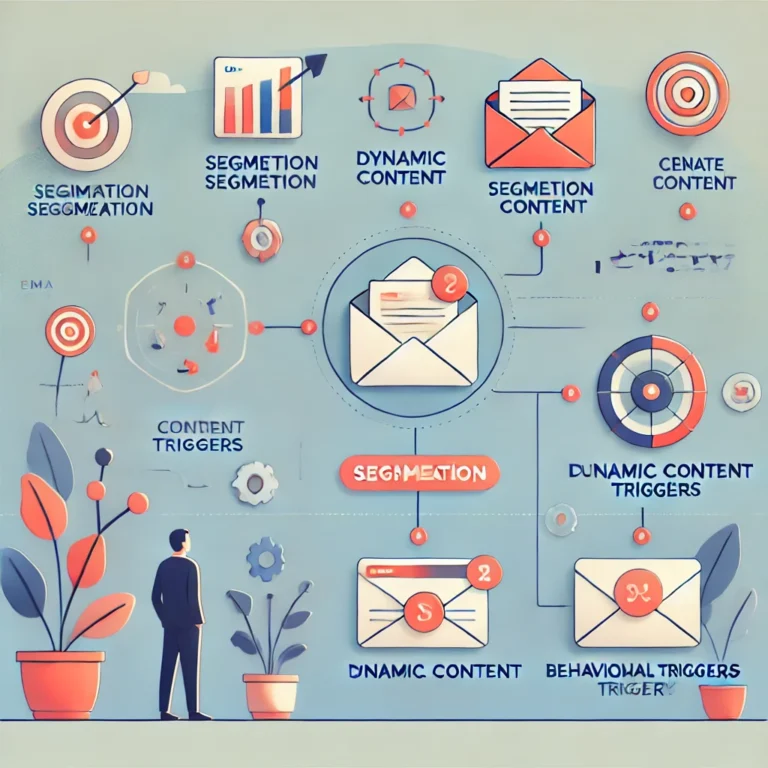
- Segment your list: Categorize your subscribers based on their giving history, interests, location, and involvement levels. This allows for targeted email campaigns that resonate with specific audience segments.
2. Craft Compelling Stories
Nonprofit email marketing should go beyond simply asking for donations. It’s about connecting with your audience on an emotional level.
- Share real stories of impact: Highlight the positive changes your organization has made in the lives of individuals or communities. Use vivid language, compelling images, and personal anecdotes to create a powerful emotional connection.
- Introduce your beneficiaries: Introduce the people your organization serves, letting donors see the direct impact of their contributions.
- Focus on transparency: Be transparent about your organization’s financial practices and how donations are used to achieve your mission.
3. Create a Sense of Urgency and Importance
Nonprofits often rely on time-sensitive fundraising campaigns. Email marketing can effectively create a sense of urgency and encourage immediate action.
- Highlight deadlines: Clearly communicate campaign deadlines and explain why immediate support is essential.
- Use scarcity tactics: Mention limited funds, matching donations, or specific goals to create a sense of urgency and encourage donors to act quickly.
- Emphasize the impact of giving: Show how even small donations can make a significant difference in achieving your organization’s goals.
4. Personalize Your Emails
Just like with any other type of email marketing, personalization is key to engaging your audience.
- Address them by name: A simple gesture like using the donor’s name in the subject line or greeting adds a personal touch that increases engagement.
- Tailor your content: Use subscriber data to send targeted content based on their interests, giving history, or previous engagement.
- Offer personalized thank-you notes: Send heartfelt thank-you emails to donors, acknowledging their contributions and highlighting the impact of their support.
5. Offer Multiple Giving Options
Make it easy for donors to contribute in a way that suits their preferences.
- Provide different donation amounts: Offer a range of donation options to cater to different giving levels.
- Allow for recurring donations: Encourage donors to make regular contributions through monthly or annual subscriptions.
- Accept various payment methods: Ensure your donation system accepts multiple payment methods, including credit cards, debit cards, and online payment platforms.
6. Optimize for Mobile Devices
A significant portion of email is opened on smartphones. Ensure your emails are designed to render perfectly on various screen sizes.
- Use a clean and simple layout: Keep your emails concise and avoid excessive text or complex formatting that can be difficult to read on mobile devices.
- Include large, clear call-to-action buttons: Make it easy for donors to click through to your donation page or other relevant links.
- Test your emails on different devices: Preview your emails on various smartphones and tablets to ensure they are visually appealing and functional.
7. Leverage Email Automation
Email automation can streamline your fundraising efforts and free up your time.
- Welcome emails: Set up automated welcome emails to greet new subscribers and provide them with a personalized introduction to your organization’s mission.
- Thank-you emails: Send automated thank-you emails to donors after they make a contribution, expressing your gratitude and acknowledging their support.
- Follow-up emails: Send targeted follow-up emails to encourage repeat donations or invite donors to participate in specific campaigns.
8. Track and Analyze Your Results
Regularly track and analyze the performance of your email campaigns to understand what’s working and what needs improvement.
- Monitor open and click-through rates: These metrics provide insights into email engagement and subject line effectiveness.
- Track conversion rates: Measure how many subscribers make donations after clicking on your emails.
- Analyze unsubscribe rates: Low unsubscribe rates indicate your emails are valuable. High unsubscribe rates suggest a need to re-evaluate your content or frequency.
9. Seek Professional Help
If you’re overwhelmed by the technical aspects of email marketing, consider hiring a professional email marketing service.
- Email marketing platforms: Platforms like Mailchimp, Constant Contact, and Nonprofit Success Pack (for Salesforce users) offer user-friendly interfaces, automation features, and analytics tools.
- Email marketing consultants: Experienced consultants can provide expert guidance on strategy, content creation, and campaign optimization.
Conclusion
Email marketing is a potent tool for nonprofits to build a strong donor base, raise awareness, and drive fundraising success. By crafting compelling stories, personalizing your emails, and offering valuable content, you can inspire action and make a real difference in the world.