Unlocking Sales: Essential Email Marketing Tips for eCommerce Websites
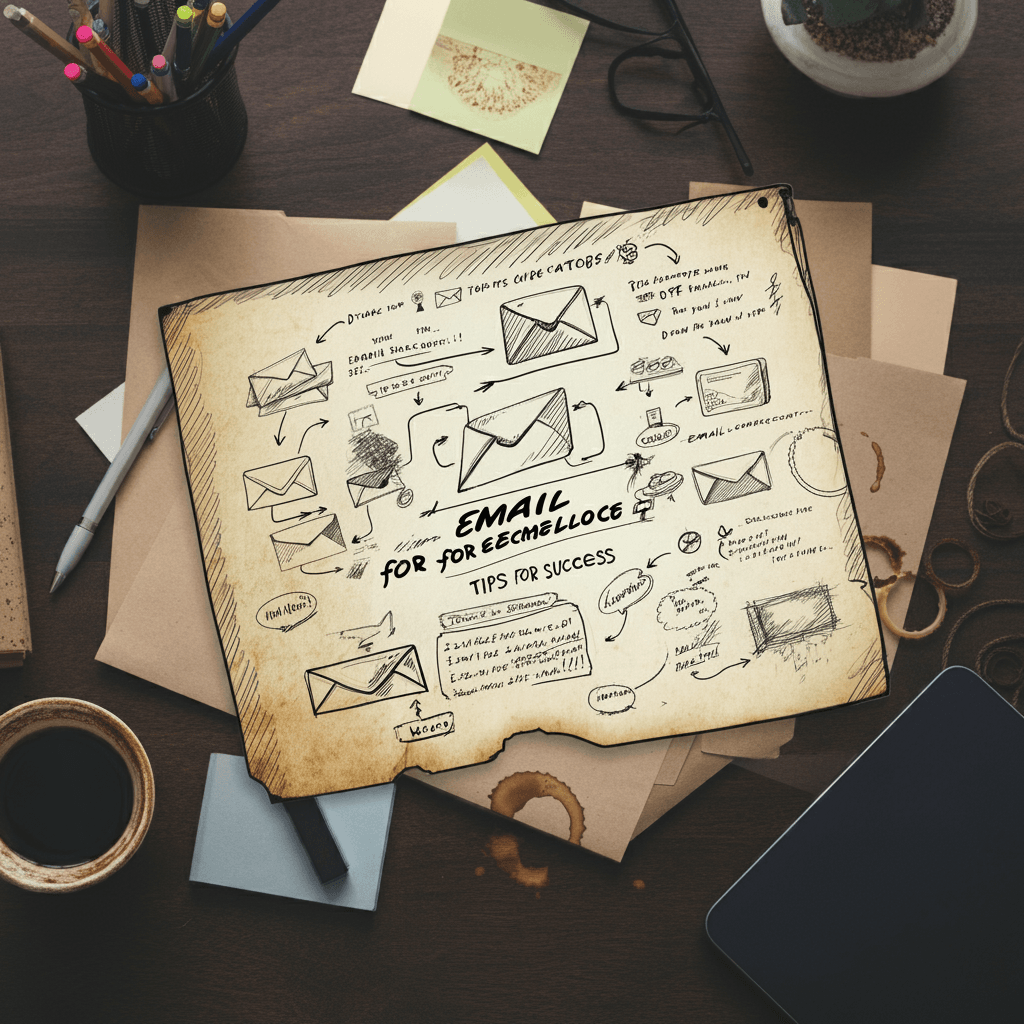
In the bustling world of eCommerce, where competition is fierce and customer attention spans are shrinking, email marketing remains a potent tool for driving sales and nurturing brand loyalty. It allows you to connect directly with your audience, build relationships, and guide them towards purchases. However, to truly harness the power of email marketing, you need a strategic approach.
Here are some essential email marketing tips to supercharge your eCommerce website:
1. Build a High-Quality Email List
The foundation of successful email marketing is a robust and engaged email list. Here’s how to build one:
- Offer compelling incentives: Provide valuable freebies like discount codes, exclusive content, or early access to new products. This entices potential customers to sign up.
- Make it easy to subscribe: Include prominent signup forms on your website, checkout page, and social media platforms. Ensure the signup process is straightforward and user-friendly.
- Segment your list: Categorize your subscribers based on demographics, purchase history, interests, and website behavior. This allows for targeted email campaigns that resonate with specific audience segments.
2. Design Engaging and Mobile-Responsive Emails
Your emails should be visually appealing and easy to read on any device.
- Focus on clear visuals: High-quality product images, eye-catching graphics, and concise copy capture attention and convey your brand’s personality.
- Optimize for mobile: With a significant portion of emails being opened on smartphones, ensure your emails are designed to render perfectly on various screen sizes.
- Include clear calls to action: Use persuasive and action-oriented language to guide recipients towards desired actions, like visiting your website, making a purchase, or subscribing to your blog.
3. Personalize the Experience
Personalized emails feel more relevant and engaging, leading to higher open and click-through rates.
- Use dynamic content: Leverage subscriber data to tailor email content based on their preferences, browsing history, or past purchases. This ensures your emails are highly relevant and valuable.
- Address them by name: A simple gesture like using the subscriber’s name in the subject line or greeting adds a personal touch that enhances engagement.
- Send relevant recommendations: Offer personalized product recommendations based on past purchases, browsing history, or even similar products bought by other customers.
4. Craft Irresistible Subject Lines
The subject line is the first impression your email makes, so make it count!
- Keep it short and sweet: Aim for subject lines that are under 50 characters and convey the main message clearly.
- Use strong verbs and numbers: Words like “discover,” “save,” or “get” create urgency and entice clicks. Numbers can also grab attention, such as “50% off” or “Top 10 Products.”
- Test different versions: A/B test your subject lines to see which ones perform best with your audience.
5. Time Your Emails Strategically
Sending emails at the right time can significantly impact open and click-through rates.
- Analyze your data: Track email engagement metrics to identify the best times to send emails based on your audience’s activity.
- Consider time zones: Factor in time zones when scheduling emails, especially if you have a global customer base.
- Don’t overdo it: Avoid bombarding your subscribers with too many emails. Maintain a consistent cadence that balances engagement with avoiding email fatigue.
6. Offer Valuable Content
Don’t just focus on promoting sales. Provide content that adds value to your customers’ lives.
- Share informative blog posts: Offer helpful tips, product reviews, or industry insights related to your products.
- Create engaging videos: Showcase your products in action, share behind-the-scenes content, or offer tutorials.
- Run contests and giveaways: Encourage interaction and build excitement by offering exclusive discounts or prizes to email subscribers.
7. Track and Analyze Your Results
Measuring the success of your email campaigns is crucial to optimizing your strategy.
- Monitor open and click-through rates: These metrics provide insights into email engagement and subject line effectiveness.
- Track conversion rates: Measure how many subscribers make purchases after clicking on your emails.
- Analyze unsubscribe rates: Low unsubscribe rates indicate your emails are valuable. High unsubscribe rates suggest a need to re-evaluate your content or frequency.
8. Automate for Efficiency
Email automation can streamline your marketing efforts and free up your time.
- Welcome emails: Set up automated welcome emails to greet new subscribers and provide them with a personalized introduction to your brand.
- Abandoned cart emails: Recover lost sales by sending automated emails to customers who have abandoned items in their shopping cart.
- Post-purchase follow-ups: Send automated thank you emails, order updates, and product recommendations after a purchase.
9. Seek Professional Help
If you’re overwhelmed by the technical aspects of email marketing, consider hiring a professional email marketing service.
- Email marketing platforms: Platforms like Mailchimp, Constant Contact, and Klaviyo offer user-friendly interfaces, automation features, and analytics tools.
- Email marketing consultants: Experienced consultants can provide expert guidance on strategy, content creation, and campaign optimization.
Conclusion
Email marketing is an essential tool for eCommerce businesses to reach, engage, and convert customers. By implementing these tips and continuously optimizing your strategy, you can build a strong email marketing presence that drives sales, fosters loyalty, and ultimately contributes to the growth of your online store.